What is a brand operating system (Brand OS)?
A brand operating system is your brand guidelines turned into a live system: rules, files, templates and AI instructions in one place, used every day by people and by AI tools.
 Vedran ObradovićFounder, Vizura Studio®
Definition in one paragraph
A brand operating system (Brand OS) is a live, structured version of your brand guidelines that lives on your own domain. It combines the rules, the approved files, the templates and the instructions for AI tools in one place, so that anyone on your team, your partners and your AI assistants can create on-brand work without asking a designer.
In short: a PDF brand book tells people the rules. A Brand OS lets them apply the rules.
Why PDF brand books stop working
Most brand guidelines are written once, shared as a PDF and forgotten. Within a year the logo in the document is outdated, the templates live in someone's folder and every new hire improvises. The brand drifts, and the drift is invisible until a client notices.
Two things made this worse. Teams now produce far more material across more channels, and many of them use AI tools that know nothing about the brand. A document that nobody opens, and that no tool can read, cannot keep up with either.
The 6 layers of my Brand OS
I build a Brand OS in six layers. Each one answers a question your team asks every week.
- Positioning. Who you are, who you are for and what you say. Facts, category, buyer and proof, written so people and machines describe you the same way.
- Identity rules. Logo, colour, typography, imagery and voice, with clear do and do-not examples and accessibility checks.
- Assets. One library of approved files with one-click downloads, so nobody uses an old logo again.
- Templates. Master files for decks, social posts, documents and email signatures, so new material starts on-brand.
- AI brand kit. A context bundle with facts, tone and banned claims, plus prompt systems and a custom GPT or Claude Project, so AI output starts from your rules.
- Brand QA. A checker and review routine that catch drift before it ships. Enterprise adds separate access levels for teams and partners.
Not every company needs all six at full depth. Brand OS Core gives you the portal with identity rules, assets and templates. The AI Toolkit adds the AI brand kit, machine-readable positioning and Brand QA.
Brand OS vs brand guidelines PDF vs guideline software
There are three common ways to keep a brand consistent. They suit different situations.
| PDF brand book | Guideline software (for example Frontify, Lingo, Corebook) | Studio-built Brand OS | |
|---|---|---|---|
| What it is | A static document | A subscription platform you configure | A portal designed and built around your identity |
| Where it lives | A file, usually shared by email | The vendor's platform | Your own domain |
| Setup | One-off document | You set up content and structure, often with vendor onboarding | Designed and built for you at a fixed price |
| Cost model | One project fee | Usually a recurring licence | Project fee, optional monthly care |
| Strong when | You print a lot or rarely change the brand | You manage many brands, regions or heavy asset workflows | One brand, a mid-size team, and you want it to look and work like your brand |
| AI instructions | Not machine-readable | Depends on the product | Built in as a layer |
Software platforms are mature products and a good fit for large organisations with complex permissions and asset volumes. A studio-built Brand OS fits when you want a system designed around one brand, delivered as a project and owned on your domain. I check which one suits you before I propose anything.
Other meanings of "Brand OS"
The words are also used elsewhere, so a search can mislead. Some companies use the name for financial operations services. Some software products use it as a product name for brand management or design system automation. Here, Brand OS means the live brand guideline system described on this page.
Who needs a Brand OS?
You benefit most if several people create brand material and the brand keeps drifting. Typical situations I see in B2B tech and AI companies:
- Marketing, sales and partners all produce decks, posts and documents.
- The company is growing faster than its guidelines.
- You use AI tools for content and want them to follow your rules.
- You work with resellers, ambassadors or agencies who need controlled access to assets.
If you are a small team that rarely produces new material, a clear PDF or mini guideline is usually enough.
What does a Brand OS cost?
My prices are fixed, agreed before I start and exclude VAT. Brand OS Core is $4,485 and takes about 7 days. Brand OS + AI Toolkit is $7,450 and takes about 10 days. Brand OS Enterprise starts at $12,500 and takes about 14 days. Brand OS Care, which keeps it current, is $395 per month. Bundling a brand package with a Brand OS saves 10 percent.
Examples from my work
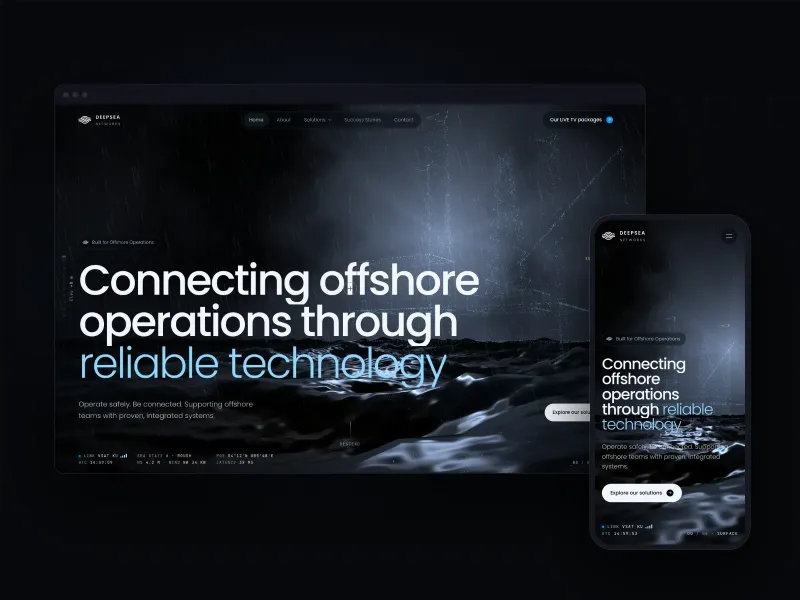
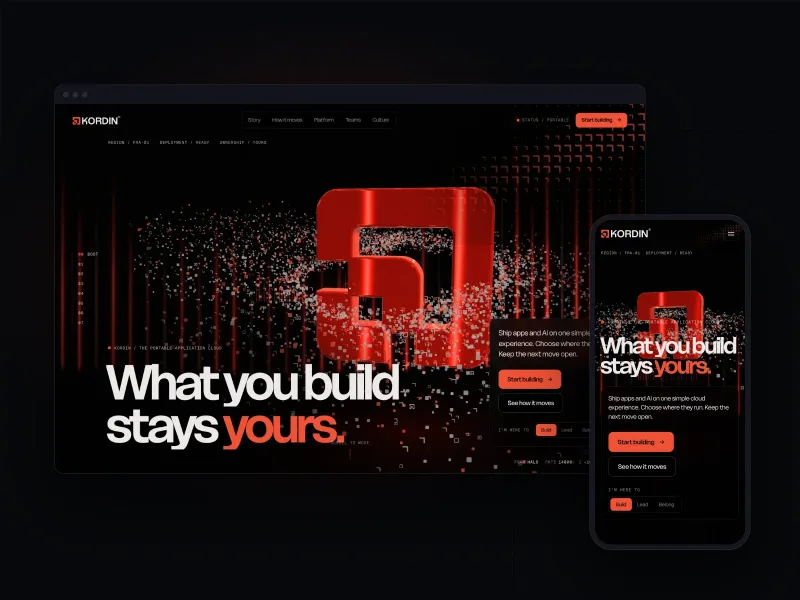
I have built Brand OS portals for Deepsea Networks, a subsea connectivity provider, and for KORDIN, a European cloud platform. Both give the team one place for rules, assets, templates and AI instructions. Both projects are in progress, so I do not quote results here. The case studies show the portals in detail.
Reading list
For the technical background on how machines read and use brand information, these sources are a good start:
- Google: AI features and your website
- Google: creating helpful, reliable, people-first content
- OpenAI: crawlers and how to control them
- Perplexity: its crawlers and how they work
- Schema.org: Organization type
- W3C: Web Content Accessibility Guidelines 2.2