What to include in brand guidelines.
Good brand guidelines include strategy, logo, colour, typography, imagery, patterns and voice, plus the parts most PDFs skip: templates, applications, approved facts and rules for AI tools. The first part describes the brand; the second makes your team and ChatGPT able to use it. Here is the full list, with what real guidelines contained. Built for CEOs, founders and marketing leads at B2B tech companies.
2 of 3 spots left in November
250+ brands in 8 yearsGoogle 4.7 (29)Upwork 4.9 (126 reviews)Proposal in 2-8 h
How to check your current guidelines.
Open yours and answer these. Every no is a section to add.
- Does it say who you serve and what you promise, in one sentence?
- Does the logo work at 16 px and on a dark UI?
- Are voice rules written as rules, with examples?
- Can the team make a post without a designer?
- Is there a list of approved facts and forbidden claims?
- Could ChatGPT or Claude follow it today?
Eleven sections every B2B brand guideline needs.
The first six describe the brand. The last five make it usable by a team, partners and AI tools.
Strategy
Who you serve, what you promise and the one sentence the brand stands on.
Logo
Versions, clear space, minimum sizes, favicon and app icon, and misuse.
Colour
Primary and supporting colours with HEX, RGB and CMYK, pairings and contrast rules.
Typography
Typefaces, the scale, weights and how numbers and headlines are set.
Imagery
Photo style, grading, what to shoot and what never to use.
Patterns and graphic elements
Shapes, patterns and motion that grow from the mark.
Templates
Posts, slides, documents and signatures the team edits without a designer.
Applications
The brand in use: product UI, site, events, merch, partner material.
Approved facts
What is live, what is coming and what nobody may promise.
AI rules
Voice, facts and forbidden claims in a form ChatGPT and Claude follow.
What the guidelines looked like on real projects.
Client guidelines stay private. What they contained can be shown. More in brand guidelines examples.
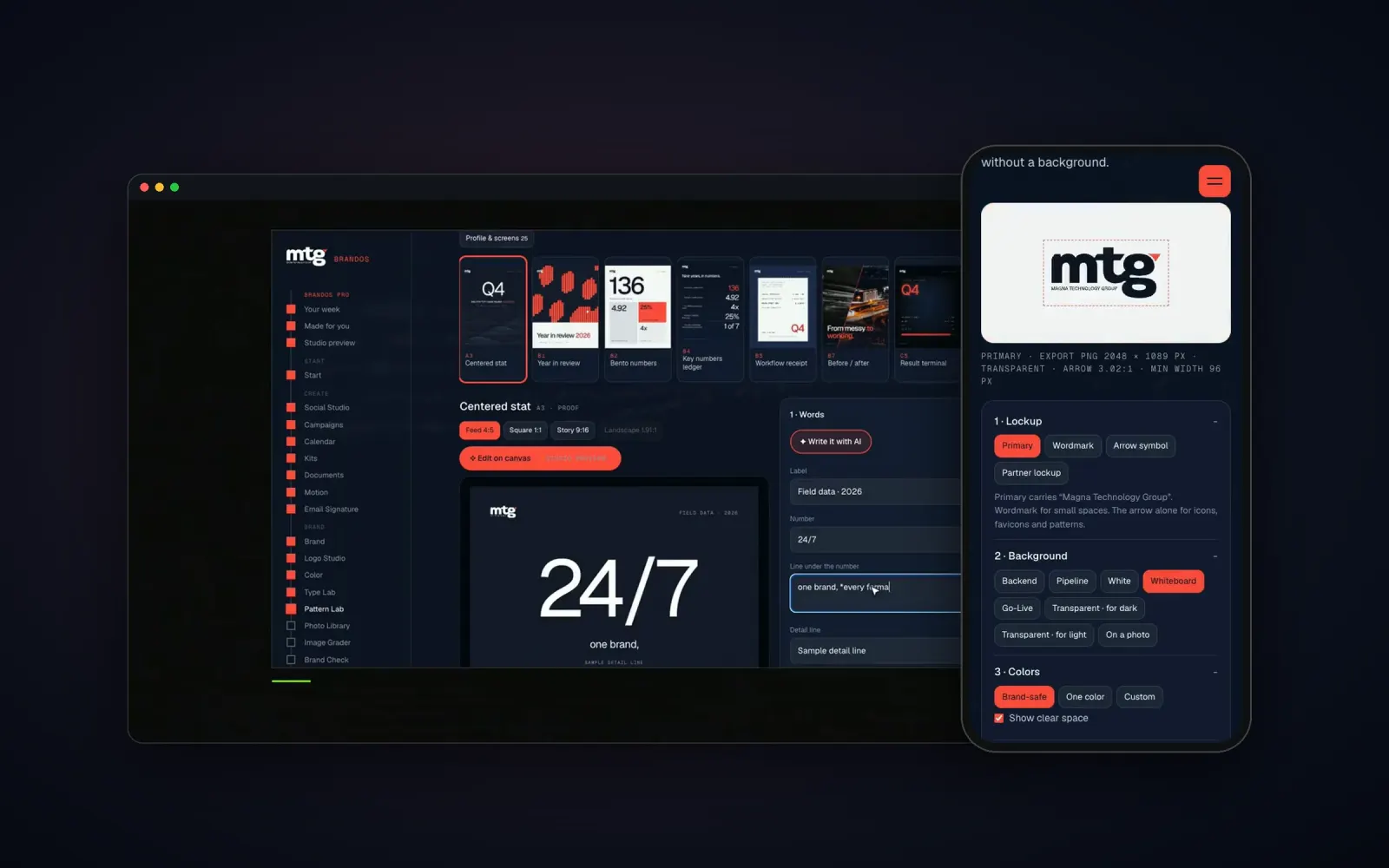
MTG
104-page guidelines, 54 social posts and 121 graded photos, then turned into a Brand OS the team used the day after the reveal.
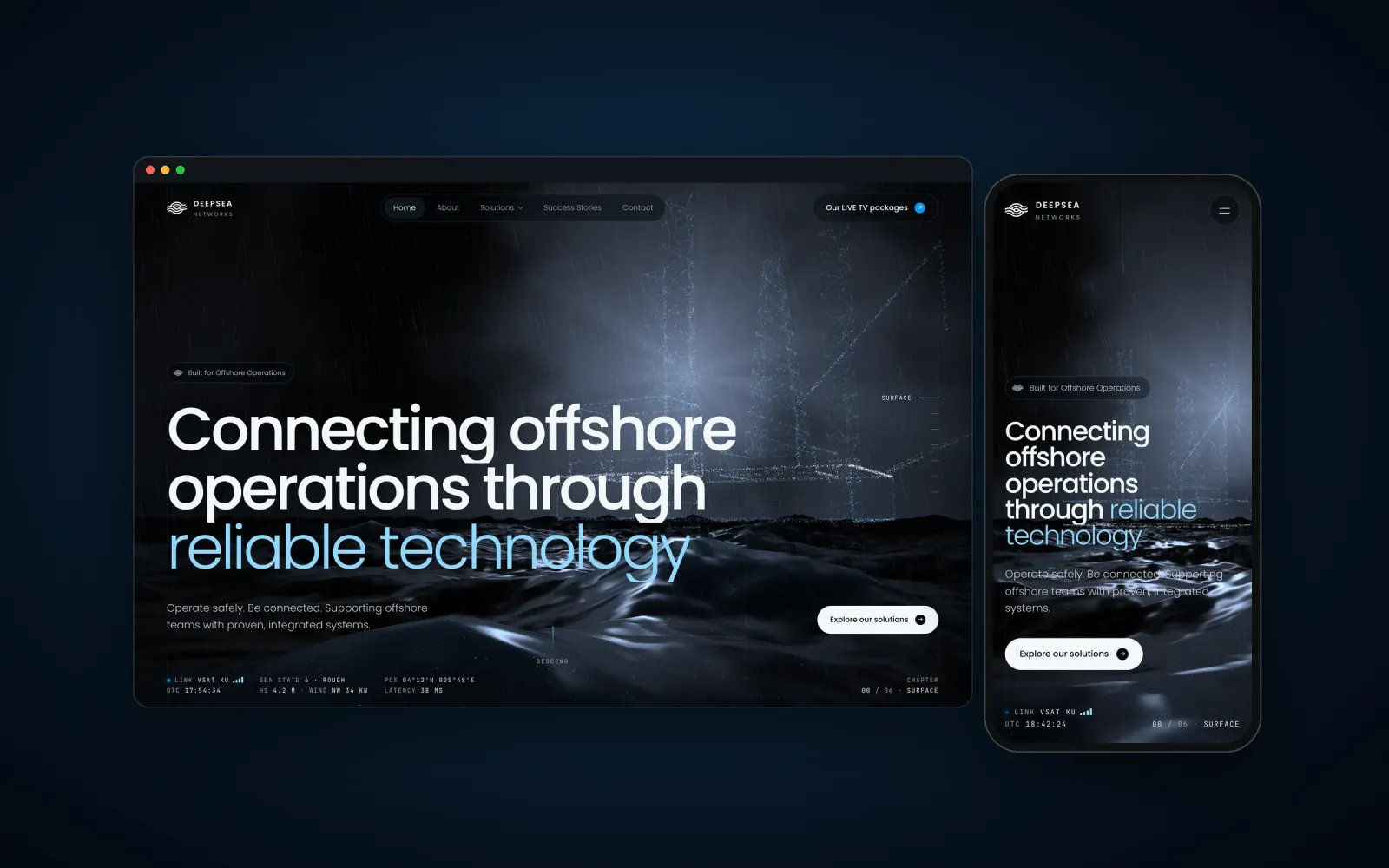
Offshore telecomDeepsea Networks
88-page guidelines and a 17-page partner kit, so every ambassador describes the company the same way.
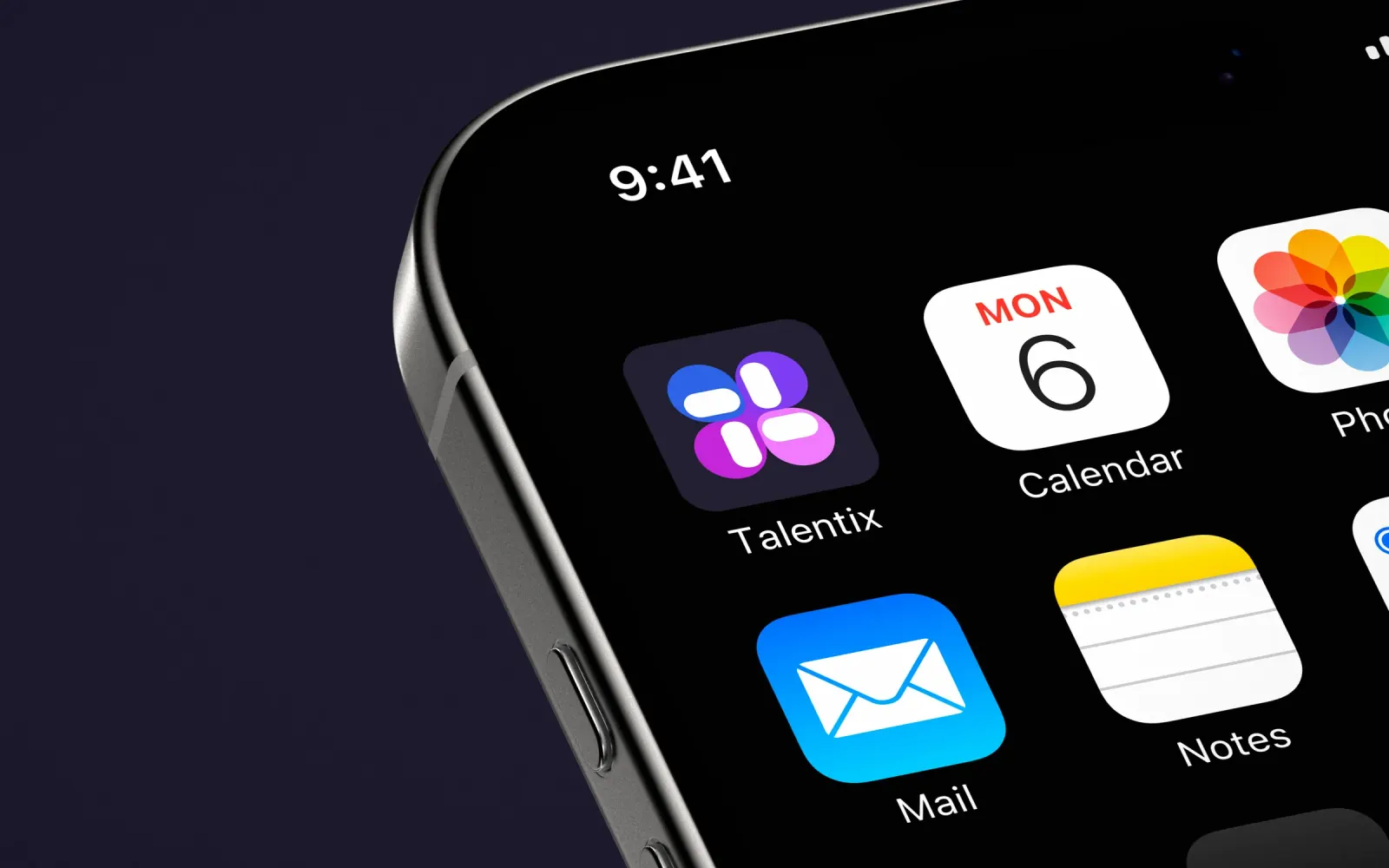
AI recruitment SaaSTalentix
Guidelines with real rules: clear space, variations, monochrome, misuse, colour pairing and type, so the team and developers apply it the same way.
Sports tech SaaSUnderdog
Guidelines in three modes: black and blue, light, and premium black, with a sports palette kept only for data.
A static PDF describes the brand. Nobody, and no AI, runs on it.
A 100-page PDF is read once, at launch. After that the team copies last month's post, the sales deck drifts and new hires guess. And the PDF says nothing ChatGPT or Claude can use: no approved facts, no forbidden claims, no voice rules in a form a model follows.
That is why the last five sections matter most, and why I deliver them as a working system, not only as pages. The difference is explained in brand guidelines vs Brand OS and what a Brand OS is. If your team writes with AI, start with brand guidelines for Claude.
Guidelines from real projects.
“It was never really about creating one logo. It was about building something strong enough to grow with the company.” Pierre-Marc Noël, Deepsea Networks
How guidelines come together with me.
Part of every full brand, 14-21 days.
Talk
45 minutes on what the brand must do and who buys.
Position and draw
One sentence to stand on, then the mark, drawn by hand.
Build the system
Colour, type, patterns, templates, voice and rules.
Hand over
Guidelines, every file in your name, Brand OS Portal if included.
Tell me about your brand. Get a plan in a minute.
Three taps, then my plan for you: the package, the days and what you get. If it fits, I write a fixed-price proposal in 2-8 hours. One field at the end, email or WhatsApp. Nothing is binding.
Not sure what your brand needs? The free Brand Check takes 3 minutes and tells you what to fix first.

Guidelines that describe, next to guidelines that work.
| Descriptive PDF | Working guidelines | |
|---|---|---|
| Read | Once, at launch | Every week |
| Voice | Three adjectives | Rules with examples |
| Templates | Pictures of templates | Files the team edits |
| AI tools | Ignore it | Follow it |
Not right? Full refund.
You see the strategy and the first design direction before anything else gets built. If it doesn’t feel like your company, tell me within 24-48 hours and you get back everything you paid.
- Full refund if the first direction isn’t right
- Every file and key is yours from day one
- Fixed price, nothing added unless you ask
Written into every proposal.
Straight answers.
How many pages should brand guidelines have?
As many as the brand needs to be used correctly. MTG's had 104 pages, Deepsea's 88. A startup can start much shorter, see the startup branding package.
What is the minimum a brand guideline needs?
Logo rules, colour, type, a voice section with examples and the templates your team uses most.
Do you share a guidelines template?
No. Every system is built for one brand, and a template copies the look without the decisions. The examples show how mine are structured.
Should guidelines include rules for AI?
Yes, if anyone on your team writes with ChatGPT or Claude. Approved facts and forbidden claims matter more than tone. See the AI-ready brand checklist.
Can you update our existing guidelines?
Yes. I can add the missing sections or turn them into a Brand OS Portal. Start with the free Brand Check.
Want guidelines your team actually opens? Tell me in a minute.
Proposal in 2-8 hours. Or 15 minutes on a call, and if it's not a fit, I'll tell you.