B2B brand architecture: one brand, or many?
Brand architecture is how your company name, products and modules relate to each other. Most B2B tech companies should run a masterbrand: one name and one system, with products as parts of it. Endorsed brands and a house of brands make sense only in a few cases, listed below with real examples. Built for CEOs, founders and marketing leads at B2B tech companies.
2 of 3 spots left in November
250+ brands in 8 yearsGoogle 4.7 (29)Upwork 4.9 (126 reviews)Proposal in 2-8 h
What a clear brand architecture gives you.
Less to design, less to explain, and one story for buyers, partners and AI tools.
- One rule for naming products, modules and features
- A logo system with clear lockups for each product
- One colour logic that tells products apart without new brands
- A site structure that follows the architecture
- Partner and reseller rules, so nobody invents a version
- Facts AI tools read, so they never mix up your products
Masterbrand, endorsed or house of brands.
| Masterbrand | Endorsed brands | House of brands | |
|---|---|---|---|
| What it is | One name and one system. Products are features or modules of it. | Each product has its own name and look, with the parent brand signing it. | Separate brands with their own identity. The parent stays in the background. |
| Best for | Most B2B tech companies: one product, or modules sold together | A platform with products sold to different buyers | Groups with unrelated markets, or brands bought in |
| Cost to run | Lowest: one system, one site, one set of templates | Medium: one core system plus product variants | Highest: every brand needs its own system, site and team time |
| Trust | Every win builds the same name | The parent lends trust to a new product | Each brand earns trust on its own |
| AI and search | One set of facts for ChatGPT and Google to learn | Clear if the naming rules are written down | Easy for AI tools to mix brands up |
Five questions that decide it.
I ask these in the first talk of every brand strategy project. Most B2B tech companies end up with a masterbrand, and that is usually the right call.
- Do the same buyers buy more than one of your products? If yes, a masterbrand.
- Would a problem with one product hurt the others? If yes, keep them apart.
- Does a new product need trust it has not earned yet? An endorsement lends it.
- Can your team run more than one brand system? Be honest, most cannot.
- Will you sell or spin off a product? Then it needs its own name.
- Can a new hire explain the structure in one sentence? If not, simplify.
Three architecture decisions from my work.
Each one is a real project. None needed a house of brands.
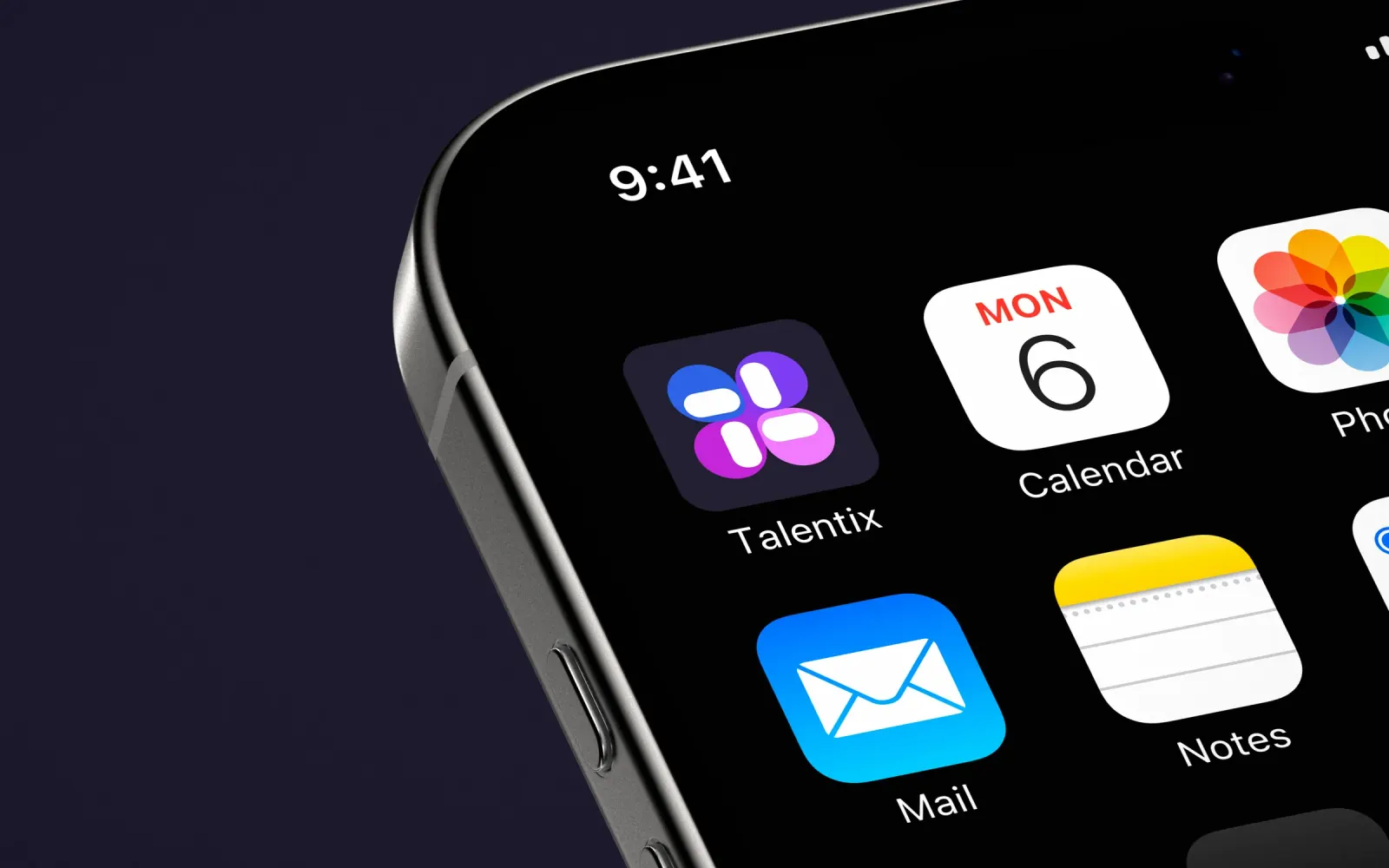
Talentix
Four AI modules, Blueprint, Scout, Reach and Meet, each own a piece of the symbol and a colour. Locked together they read as one product, not four.
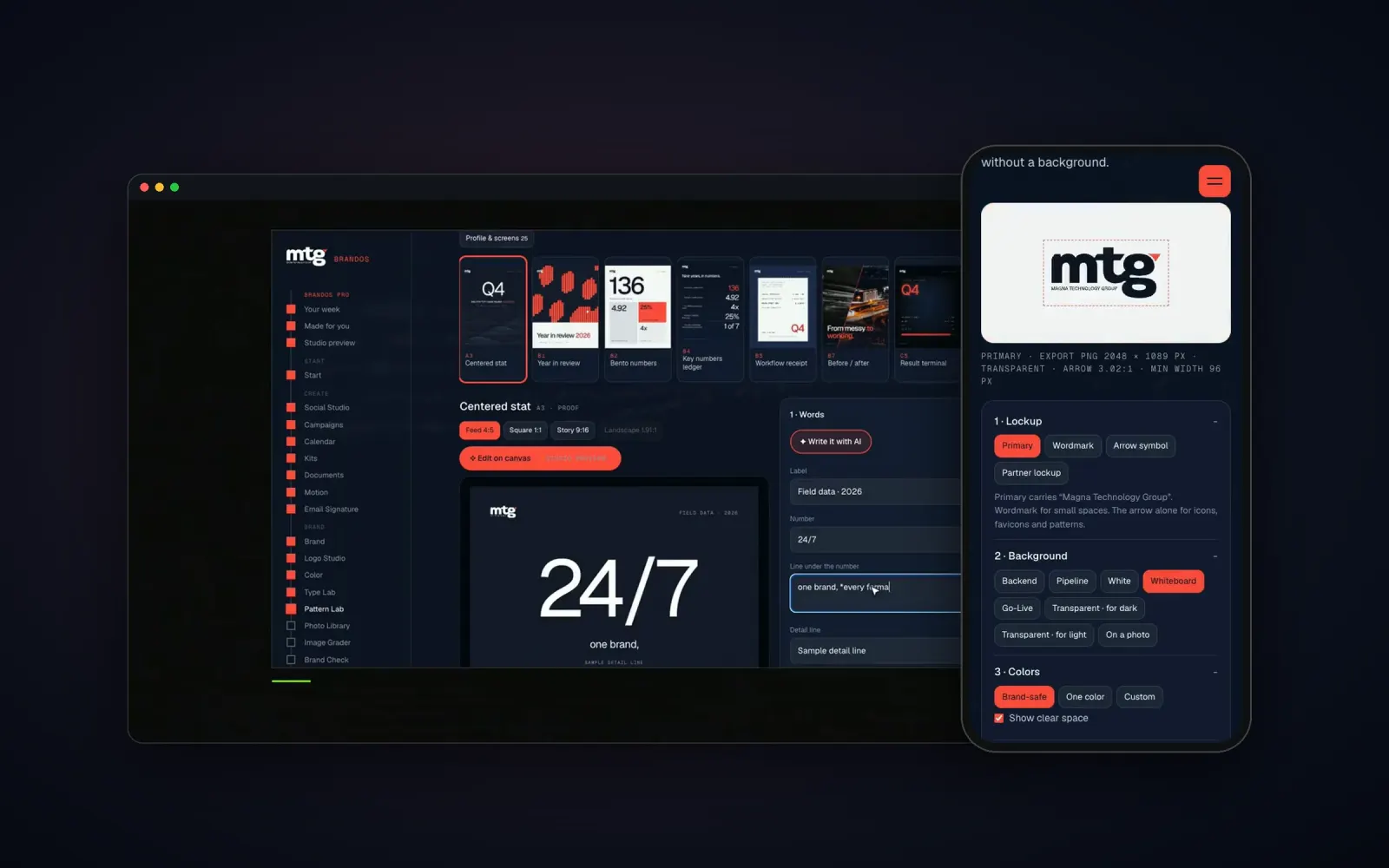
One name, one systemMTG
Magna Technology Group goes by MTG everywhere. One arrow and one 55 degree cut drive every post, deck and pattern, so the team never chooses between versions.
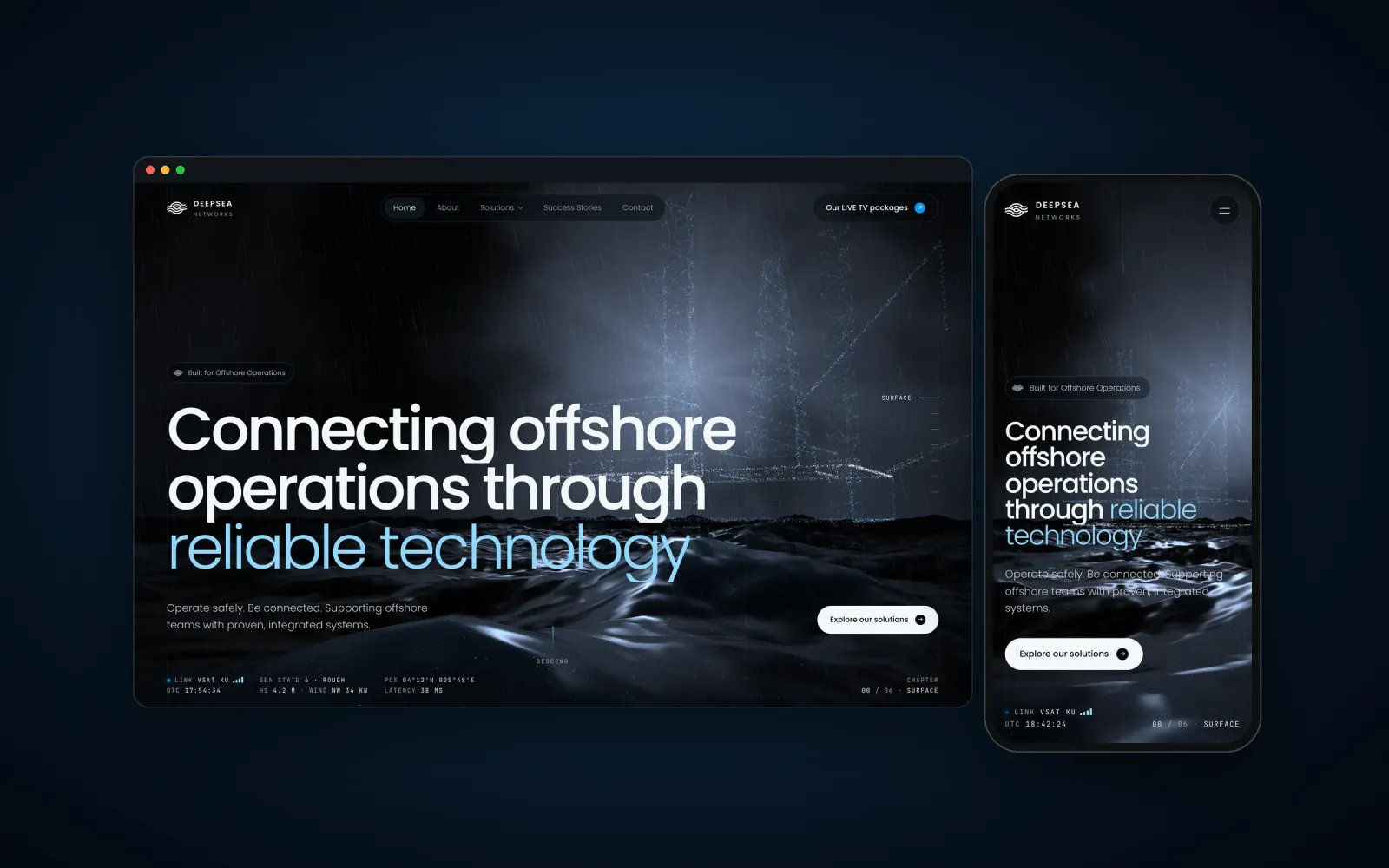
A rename, then partnersDeepsea Networks
TECHfirm Canarias became Deepsea Networks. Regional partners got an Ambassador Kit that carries the masterbrand instead of their own versions of it.
See the architecture in use.
“It was never really about creating one logo. It was about building something strong enough to grow with the company.” Pierre-Marc Noël, Deepsea Networks
How I decide the architecture.
Usually inside the first week of a brand project.
Map
Every name you use today: company, products, modules, plans, partners.
Ask
Who buys what, and what happens if one product fails.
Decide
Masterbrand, endorsed or separate, in one written rule.
Build
Lockups, colours, naming rules and site structure that follow it.
Tell me about your brand. Get a plan in a minute.
Three taps, then my plan for you: the package, the days and what you get. If it fits, I write a fixed-price proposal in 2-8 hours. One field at the end, email or WhatsApp. Nothing is binding.
Not sure what your brand needs? The free Brand Check takes 3 minutes and tells you what to fix first.

Architecture by accident, next to architecture by decision.
| By accident | By decision | |
|---|---|---|
| New product | Gets a new logo and colour | Gets a lockup and a rule |
| Website | One microsite per product | One site, clear sections |
| Buyers | Think you are several companies | See one company with several products |
| AI answers | Mix up names and claims | Describe each product correctly |
Not right? Full refund.
You see the strategy and the first design direction before anything else gets built. If it doesn’t feel like your company, tell me within 24-48 hours and you get back everything you paid.
- Full refund if the first direction isn’t right
- Every file and key is yours from day one
- Fixed price, nothing added unless you ask
Written into every proposal.
Straight answers.
What is brand architecture?
The structure that shows how your company brand, products and modules relate: one masterbrand, endorsed brands or a house of separate brands.
Which model is best for a SaaS company?
Almost always a masterbrand. One name builds trust faster and costs less to run. Talentix kept four AI modules inside one symbol. More in SaaS branding examples.
When does a product deserve its own brand?
When it sells to different buyers, could hurt the main brand if it fails, or may be sold one day. Otherwise give it a lockup, not a logo.
Does brand architecture matter for AI search?
Yes. If your names are unclear, ChatGPT and Google mix products up. One written naming rule fixes most of it. See what a Brand OS is.
Can you fix our architecture during a rebrand?
Yes, it is usually the first decision. Read the B2B rebrand checklist or book a 15-minute call.
Too many names, logos and versions? Tell me in a minute.
Proposal in 2-8 hours. Or 15 minutes on a call, and if it's not a fit, I'll tell you.