 Hrvatski
Partnership
Two companies offer something together. Both logos are equal.
When two brands share one page, both should look good. A few clear rules make that easy.
Co-branding guidelines are the rules for showing your brand next to a partner brand. They say how the two logos sit together, how big each is, what goes between them, who leads and who approves.
The short version: give both logos the same visual weight, put a thin line or clear space between them, keep each logo in its own colours, and get a yes from both sides before anything goes out.
 By Vedran Obradović · Updated 5 November 2026
The type decides who leads on the page.
Two companies offer something together. Both logos are equal.
Your product is "powered by" or "built on" another. Your brand leads, theirs is smaller.
A partner sells your product. Their brand leads, yours is marked as the product.
A sponsor supports an event. The event leads, sponsors sit in a row.
Write down the type first. Most co-branding fights are really about who leads. For how brands sit inside one company, see brand architecture for B2B.
A lockup is the fixed way two logos sit together. Make it once and save it as one file.
Rule 1
Match how big the logos look, not their width. A wide wordmark and a square symbol need different sizes to look equal.
Rule 2
A thin vertical line, a plus sign, or "x". Or just clear space. Pick one and keep it.
Rule 3
Each logo keeps its own clear space. The line sits outside both.
Rule 4
Align the logos on the centre line, or on the base of the letters. Not the top edge.
Rule 5
Each logo in its own colours. On photos, both in white or both in black.
Rule 6
The brand that leads sits left or on top. For equal partners, agree on the order once.
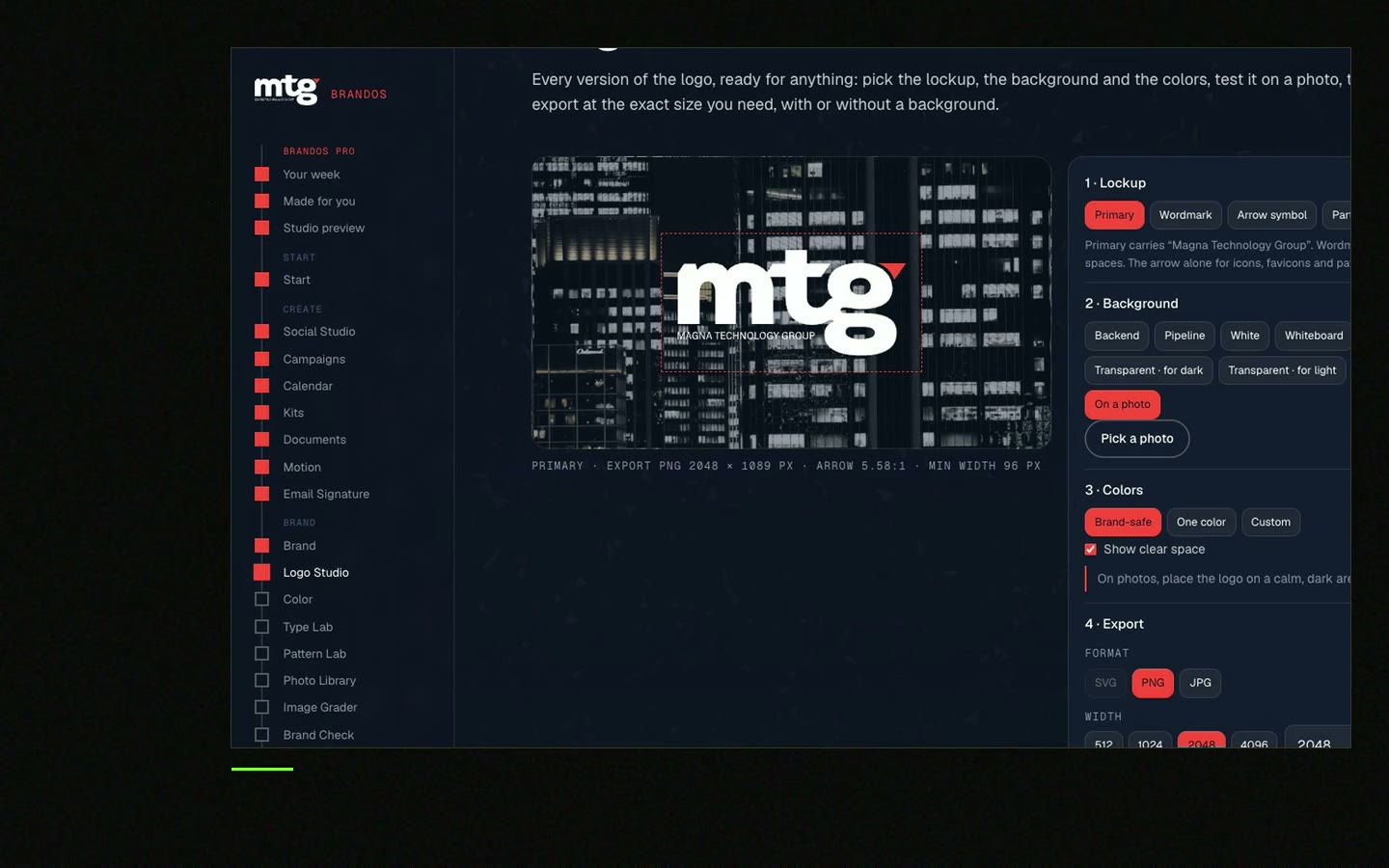
Free tool
A lockup only works if each logo keeps its space. Add your logo, pick a rule and download the guide. Your file stays on your device.
Agree on this table before the first design.
| Situation | Who leads | Lockup |
|---|---|---|
| Joint webinar or report | Equal | Side by side, same weight, line between |
| Your product inside their offer | Partner | Their logo first, yours smaller with "powered by" |
| Their tech inside your product | You | Your logo first, theirs smaller with "built on" |
| Partner website listing | Partner | Your logo alone, from your partner kit |
| Event with sponsors | Event | Event logo big, sponsor logos in one row, same height |
| Joint case study | Equal | Side by side on the cover, one brand for the inside layout |
Inside layout tip: pick one brand's fonts and grid for the whole piece. Mixing two type systems on one page almost never works.
Leave your email. I design them by hand and send them to you within 48 hours. It costs you nothing.
I write to you from [email protected]. If you do not see it, check spam.
One page. Send it to the partner with your logo files.
CO-BRANDING GUIDELINES - [YOUR COMPANY] x [PARTNER]
Owner on our side: [name, email]   Owner on their side: [name, email]

TYPE: [partnership / powered by / reseller / sponsor]
WHO LEADS: [us / partner / equal]

LOCKUP
- Order: [leader] left, [other] right
- Between: [thin line in grey / plus sign / clear space only]
- Size: logos look the same size (match visual weight, not width)
- Clear space: each logo keeps its own clear space
- Colour: each in its own colours; on photos both white or both black
- Files: [link to lockup in SVG and PNG, light and dark]

DO NOT
- Stretch, recolour or redraw either logo
- Put the lockup on busy photos
- Merge the logos into one new mark
- Use the lockup after the partnership ends

WORDS
- How to name us: [exact name]   How to name them: [exact name]
- Approved line about the partnership: [one sentence]

APPROVAL
- Both owners approve every new piece before it goes out
- Reply time: [e.g. 2 working days]
The last DO NOT line is the one people forget. Put an end date in the partner kit too. More on sending files in how to share brand guidelines with agencies and partners.
Partners need less than your team, but they need it right.
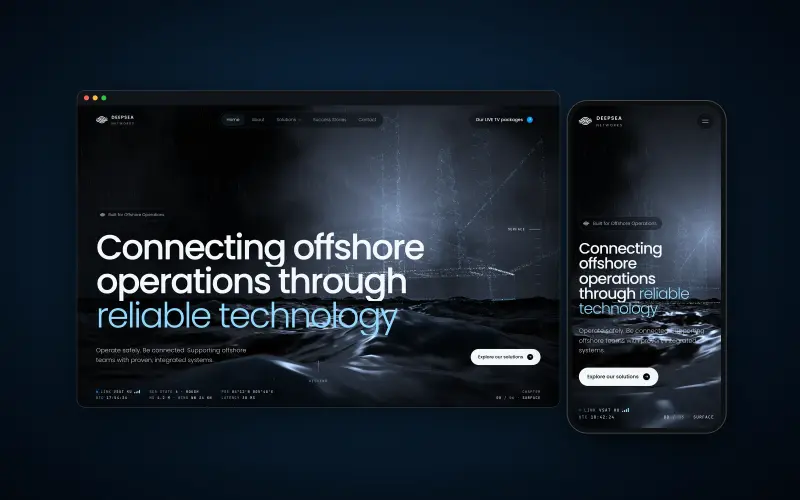
For Deepsea Networks I made 88-page guidelines and a separate 17-page partner kit. Partners get what they need, not the whole book. See the Deepsea Networks project, and check your files against which logo files you need.
Tick what is true. Your ticks stay on this device.
0 of 8 done
Partners asking for your logo every month? A brand portal gives them one link with the right files and rules. See how I set that up in Brand OS Portal, and keep your own rules sharp with logo usage guidelines.
Try one Brand OS Portal tool
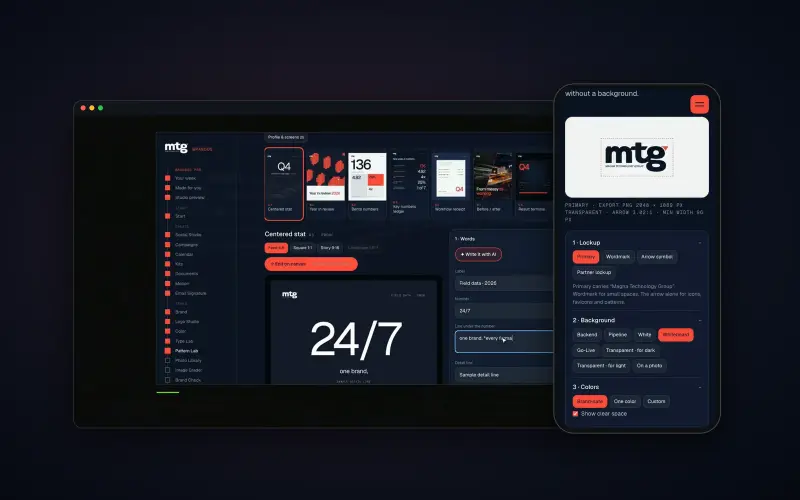
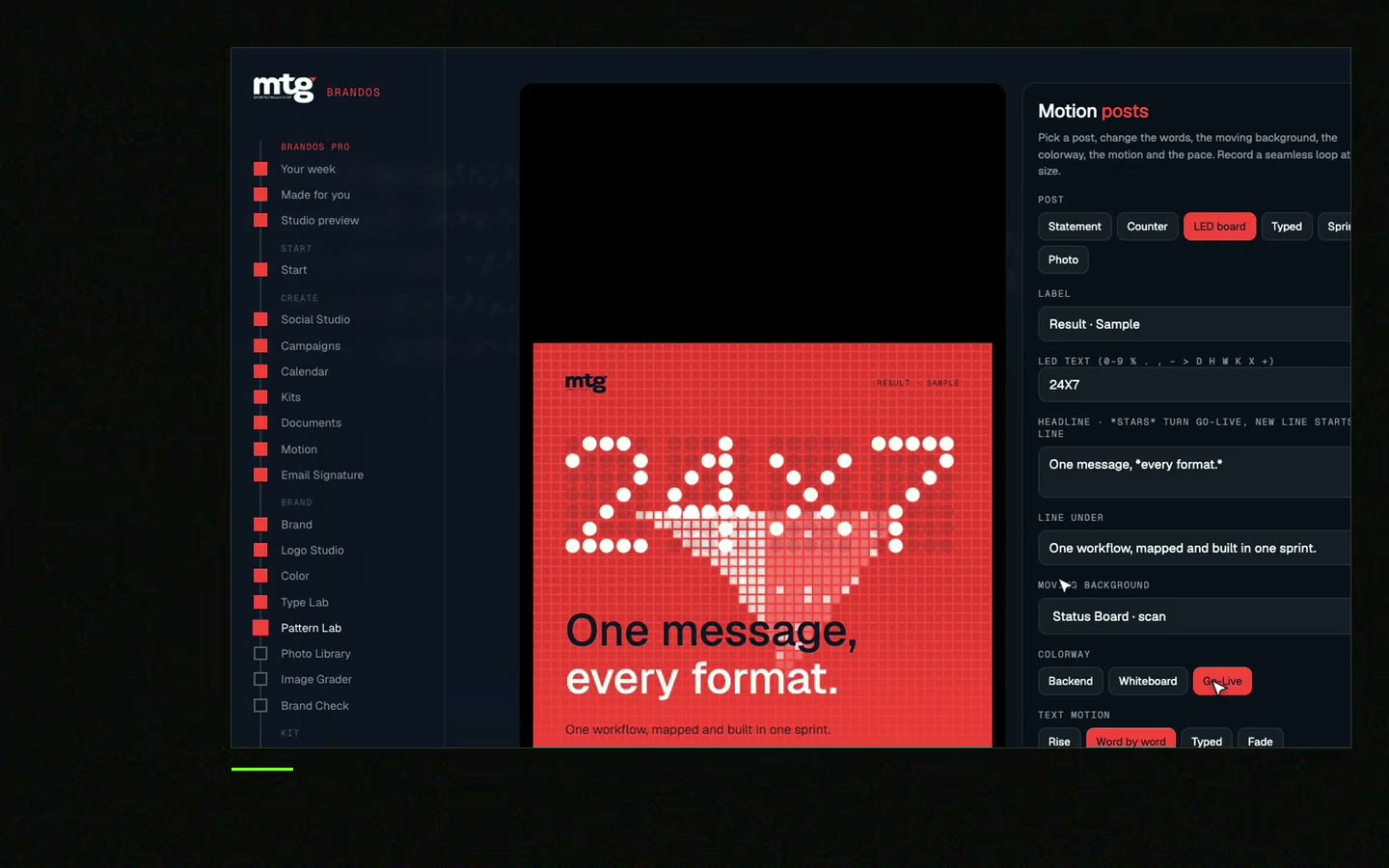
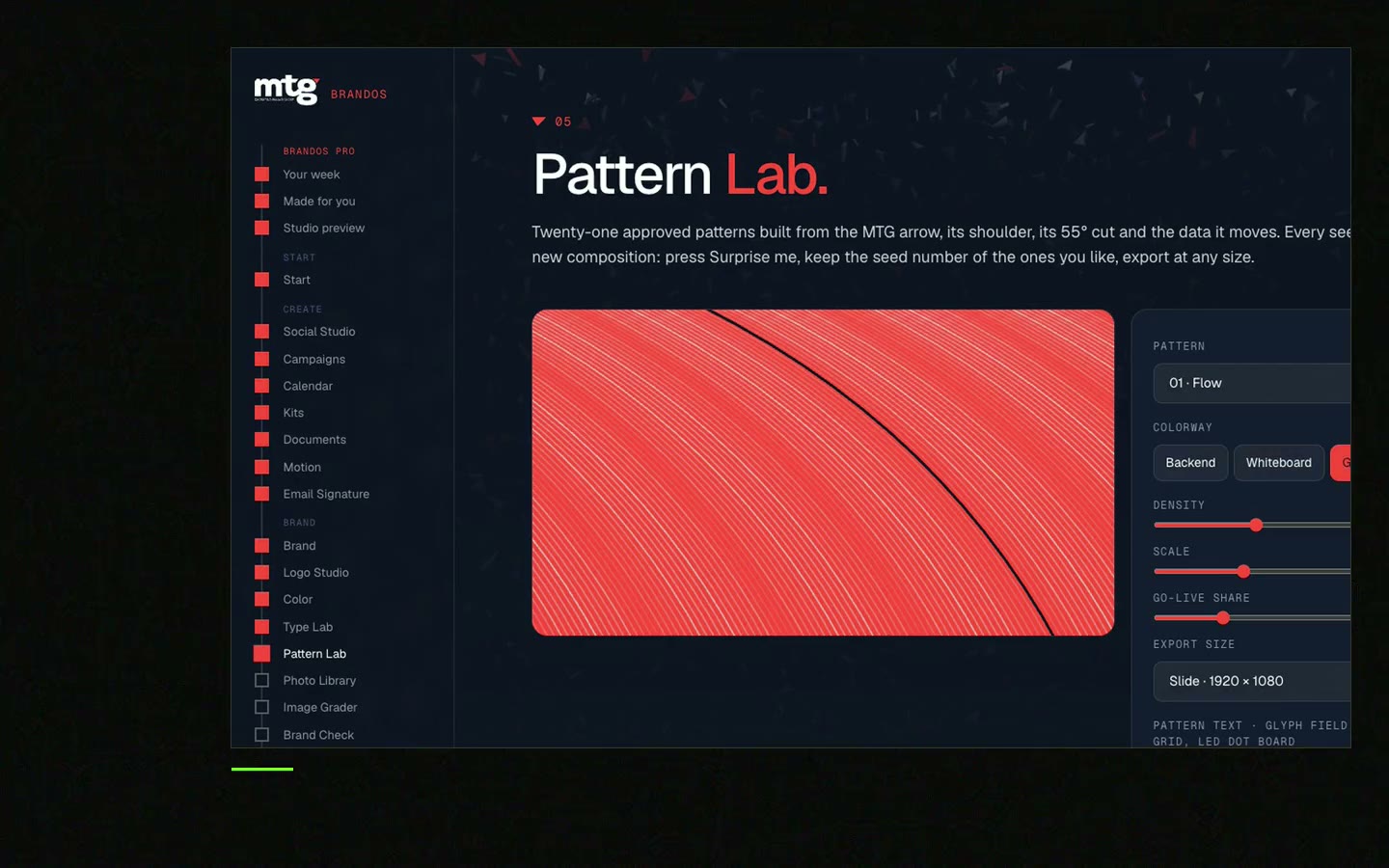
This is a real tool from a real Brand OS Portal, on the MTG brand. Pick the background and size. The portal hands you the right logo file.
Co-branding is when two brands appear together on one product, campaign, event or document, so each brand gains from the other.
Give them the same visual weight, align them on the centre line, put a thin line or clear space between them and keep each in its own colours.
The brand that leads goes left or on top. For equal partners, agree on the order once and write it down.
A fixed, saved layout of both logos together, so nobody has to build it again and it always looks the same.
For equal partners, it should look the same size. Match visual weight, not width.
See what ChatGPT says about your company, and how to fix it.
You hear from me within 2 to 8 hours.
May I use cookies for Google Analytics and Clarity to see which pages help? Privacy